





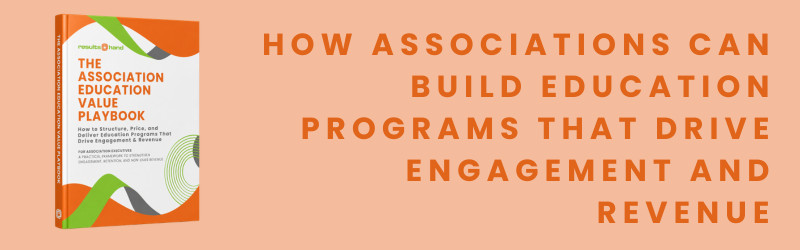
Education is one of the most valuable benefits an association can offer. From conferences and workshops to webinars, certification programs, and continuing education opportunities, educational programming gives members a reason to stay connected and continue investing in their professional growth.
But even strong education content can fall short if members do not clearly understand the value.
Many associations are putting more time, effort, and resources into education than ever before, yet still face challenges like low follow-through, difficult-to-explain pricing, disconnected programs, or members who are unsure which offerings are right for them.
The issue is not always the quality of the content. Often, it comes down to how the value is structured, communicated, and delivered.
Make the Value Clear
Members are not just asking, “What is being offered?”
They are asking:
- Is this worth my time?
- Is this relevant to my role?
- Will this help me make progress?
That is why associations need to clearly define both the measurable and experiential value of their education programs. Measurable value may include CE credits, credential progress, or cost savings compared to outside training. Experiential value may include confidence, peer connection, and practical insights members can apply in their work.
The clearer the value, the easier it is for members to engage.
Move From Standalone Sessions to Learning Pathways
One common challenge is presenting education as a long list of individual sessions. While that may give members options, it does not always give them direction.
A stronger approach is to organize education into tracks, bundles, or learning paths. For example, instead of asking members to choose from unrelated sessions, an association could offer a “Leadership Track” that includes recommended sessions, resources, assessments, and a clear outcome.
This gives members a better understanding of what they are working toward and helps create a more intentional education experience.
Price Based on Value, Not Just Cost
Pricing is one of the strongest signals of value. If education is priced only around the cost of each individual session, it can be harder for members to understand the full benefit.
Value-based pricing helps shift the focus from “what you attend” to “what you achieve.”
Strategies like member vs. non-member pricing, bundled access, early registration incentives, and credential-based packages can help associations communicate value more clearly while supporting non-dues revenue growth.
Extend the Experience Beyond the Event
A strong education program should not end when the session or event is over.
Associations can create more ongoing value by offering pre-event resources, in-app engagement, networking opportunities, post-event follow-up, progress tracking, and recommended next steps. This helps members stay connected to the learning experience and encourages them to continue engaging over time.
When education becomes part of a larger member journey, it can support retention, participation, and long-term member value.
A Quick Question for Associations
If your association offers education, it may be worth asking:
- Do members know which path to follow?
- Are your offerings connected or mostly standalone?
- Can you clearly explain your pricing?
- Do members continue engaging after an event ends?
- Is member progress visible through credits, milestones, or credentials?
If the answer is “no” to several of these questions, there may be an opportunity to strengthen your education strategy.
Strong education programs are not built by adding more content. They are built by structuring value in a way members can understand, engage with, and progress through.
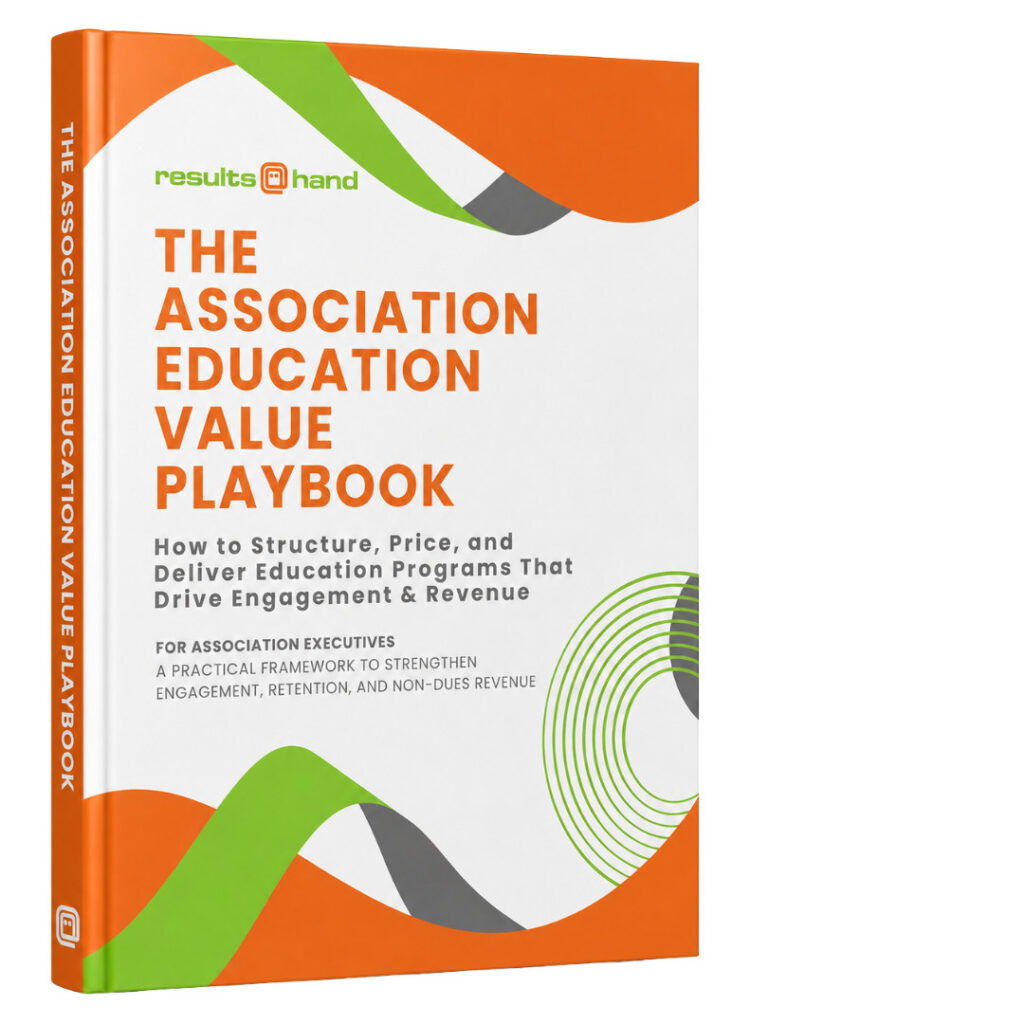
To explore this framework in more detail, download the full Association Education Value Playbook for free here.