




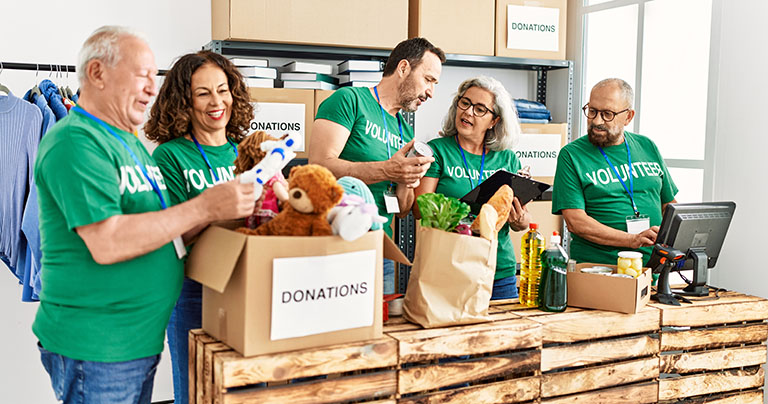
Volunteers provide significant support to the charitable organizations and associations they work with. The impact of their support is undeniable:
- The current value of a volunteer hour is $34.79.
- One-third of the charitable workforce in the U.S. is volunteers.
- 85% of volunteers also donate to the organizations they work with.
Volunteers keep the nonprofit sector in motion. In particular, you may have volunteers help manage different aspects of your events—from set up and check-ins to event breakdowns and post-event follow-ups.
To retain volunteers’ support, your organization needs a clear appreciation strategy. Let’s explore five tips for thanking volunteers effectively after events.
1. Offer something unexpected.
Go above and beyond the typical thank-you letter by planning unique appreciation efforts. Surprising volunteers with an unexpected, personalized gesture will make your organization more memorable and can inspire them to get involved in your next event.
Delight volunteers with appreciation gestures, such as:
- Gifts. Volunteer gifts may include gift cards, free-branded merchandise, or a gift related to your mission. For example, if your nonprofit hosted an environmental awareness gala, you may give volunteers potted plants to show gratitude.
- A phone call. Most volunteers will expect to see a thank-you email, but a phone call provides an opportunity to connect with volunteers. Just keep in mind that since this is a more time-intensive appreciation method, you may want to call a few volunteers after each event, keep track of which volunteers you called within your CRM, and rotate through the list. That way, you can connect with as many volunteers as possible.
- An appreciation video. Record a video of your staff thanking event volunteers for their tireless support during your event. Send the video directly to volunteers via email to increase the chances that everyone will see your message.
- A note from a beneficiary. When your volunteers hear directly from the people who benefited from the event, they’ll feel appreciated and valued, inspiring them to continue volunteering. Ask beneficiaries if they’d be willing to write a few thank-you notes to share what volunteer support means to them.
Use data from your volunteer management platform to personalize these appreciation moments. For example, you may create personalized videos that thank volunteers by name and mention their specific contributions to the event.
2. Show volunteers the impact of their support.
According to Bloomerang’s Mission Retainable Report, 24% of donors surveyed claim they stopped donating due to a lack of transparency from nonprofits about their impact. Similarly, you could lose volunteer support over time if you don’t provide updates on how volunteer work positively impacts your organization.
Following up with volunteers to demonstrate their impact provides a greater sense of fulfillment. When volunteers see the difference they made in helping your event succeed, they’ll feel much more motivated to stay involved with your organization.
Highlight volunteers’ impact by sharing:
- Before and after photos. Let’s say you’re hosting a volunteer event to clean up a local park that suffered hurricane damage. Take photos before and after the event to showcase volunteers’ tireless efforts to make the park a safe community space again.
- Data about what volunteers accomplished. Share a chart or graph depicting volunteers’ contributions using hard data. For example, perhaps you planned an auction event to raise money for your association. Create a chart showing how many more event participants you were able to recruit with volunteers’ help compared to the number of participants you had in a previous year when volunteers weren’t involved.
- A map showing the scope of volunteer work. If your event had a geographic component, create a map showing all the areas where volunteers made a positive contribution. For example, if you have volunteers help prepare food for unhoused individuals, you may show them a map of how many meals they’ve made and where they’re distributed.
Telling volunteers that you appreciate their hard work and that they made a significant impact will only get you so far. Showing volunteers exactly what their support means to you will make a more powerful impression and inspire them to continue volunteering.
3. Ask for volunteer feedback.
Requesting feedback from volunteers can help you improve the event experience before your next one. It also shows volunteers that you’re willing to listen to their input and adjust your strategies to appeal to their interests.
Create a volunteer survey with questions like:
- What inspired you to volunteer at our event?
- Was there sufficient communication before the event?
- Did you feel comfortable with the amount of training you received before the event?
- What were your favorite and least favorite parts of volunteering at the event?
- Was it easy to get in touch with a staff member during the event if you had questions?
- Would you volunteer at one of our events again?
Once you’ve received responses from volunteers, store them in your nonprofit CRM for easy reference. Then, analyze them to identify common trends and determine how to incorporate their suggestions into your plans. For example, if many volunteers expressed that your event registration site or mobile event app didn’t have enough logistical information, you could update those tools ahead of future events to add crucial details like the event’s date, time, location, and parking information.
For example, if many volunteers expressed that your event web page didn’t have enough logistical information, you could update the page ahead of future events to add crucial details like the event’s date, time, location, and parking information.
4. Invite volunteers to a special gratitude event.
A special event can be an effective opportunity to gather all volunteers in one place to express your gratitude for their involvement. Consider hosting events, such as:
- A social event, like trivia or bowling. After all, over 35% of volunteers say that one of the main reasons they choose to volunteer is to socialize, so a social event is an effective gratitude strategy.
- A networking event where volunteers can get to know each other. According to Forbes, 22% of people volunteer to reinforce social connections in hopes of career growth.
- A casual brunch or coffee hour with opportunities to speak with your staff and leaders.
Depending on volunteer preferences or geographic locations, you could hold events virtually or in person. Make in-person events more engaging with tasty food and drinks and live entertainment, and enthrall a virtual audience with trivia or a raffle.
5. Spotlight volunteers using multiple platforms.
Publicly recognizing volunteers is just as important as privately thanking them for their hard work. It shows current and potential volunteers how committed you are to showing appreciation for your supporters.
Here are a few places you can broadcast your gratitude:
- Your nonprofit’s blog. Write a blog post recapping the ways that volunteers supported your event. Include an image gallery or slideshow from the event showing volunteers engaging in different activities. For example, if you have volunteers assist with running your nonprofit’s conference, you may add photos of them checking in attendees, showing them to the correct sessions, and facilitating networking spaces.
- Social media. Tag volunteers in photos you share of them on social media so they can see themselves and share your posts with their families and friends. This form of recognition can also show your audience what your events look like in action, allowing you to promote future events.
- Email newsletters. Send an email blast to thank volunteers for their support, and share statistics that spotlight volunteer accomplishments. Bloomerang’s guide to email marketing for nonprofits recommends creating a volunteer segment in your CRM to send more personalized, targeted communications to this group.
- Volunteer recognition wall. Create a virtual or in-person volunteer recognition wall that lists all volunteers’ names. You can create a virtual wall on your website or an in-person one at your organization’s headquarters.
By widely sharing your gratitude for volunteers, you can show how important they are to your event’s success. You can also catch the attention of potential new volunteers who may see the impact they can have on your worthy cause and want to get involved.
However, always request permission from your volunteers before sharing their photos and other information publicly. If any volunteers would prefer not to take part in public recognition, note this preference in your volunteer database to respect their privacy.
By widely sharing your gratitude for volunteers, you can show how important they are to your event’s success. You can also catch the attention of potential new volunteers who may see the impact they can have on your worthy cause and want to get involved.
However, always request permission from your volunteers before sharing their photos and other information publicly. If any volunteers would prefer not to take part in public recognition, note this preference in your volunteer database to respect their privacy.
With these appreciation strategies, your nonprofit can more easily retain volunteers and recruit new supporters. When you keep your gratitude efforts focused on volunteers’ interests and preferences, you’ll foster long-term relationships and a strong community around your cause.

Author: Melania Chromy, Senior Product Marketing Manager at Bloomerang
As Bloomerang’s Senior Brand Marketing Manager, Melaina Chromy is passionate about strategic communication and powerful storytelling that draws in volunteers and fundraisers alike. Drawing on her experience as a prior board member of her local Junior League, recruiting and managing volunteers, she understands firsthand the complexities of coordinating and inspiring volunteers. At Bloomerang, she translates this experience into practical advice, showing how dedicated volunteer management software can transform a nonprofit’s ability to build, manage, and sustain a thriving volunteer program, ultimately maximizing its mission’s impact.